NATURAL FIBERS
Natural fibers are finding a bigger place in activewear. Merino wool, cotton and newer plant-based materials are appearing in clothes designed for running, training and everyday movement, giving people more choices beyond the polyester and nylon that have long shaped the category. Whether you are curious about what these materials can offer, looking to use less plastic or simply ready to try something different, this guide brings together brands taking a more natural approach to activewear.
Updated August 2026 · 7 min read

The brands in this guide
For a long time, looking beyond polyester and nylon meant choosing from a fairly narrow set of basics, many made more for layering or lounging than actual workouts. That is changing. Natural-fiber activewear now reaches running, strength training, hiking and everyday movement, with lighter fabrics, better construction and more considered design. These are the brands bringing more range and performance to the category.
Modern performance, without the usual synthetic fabric
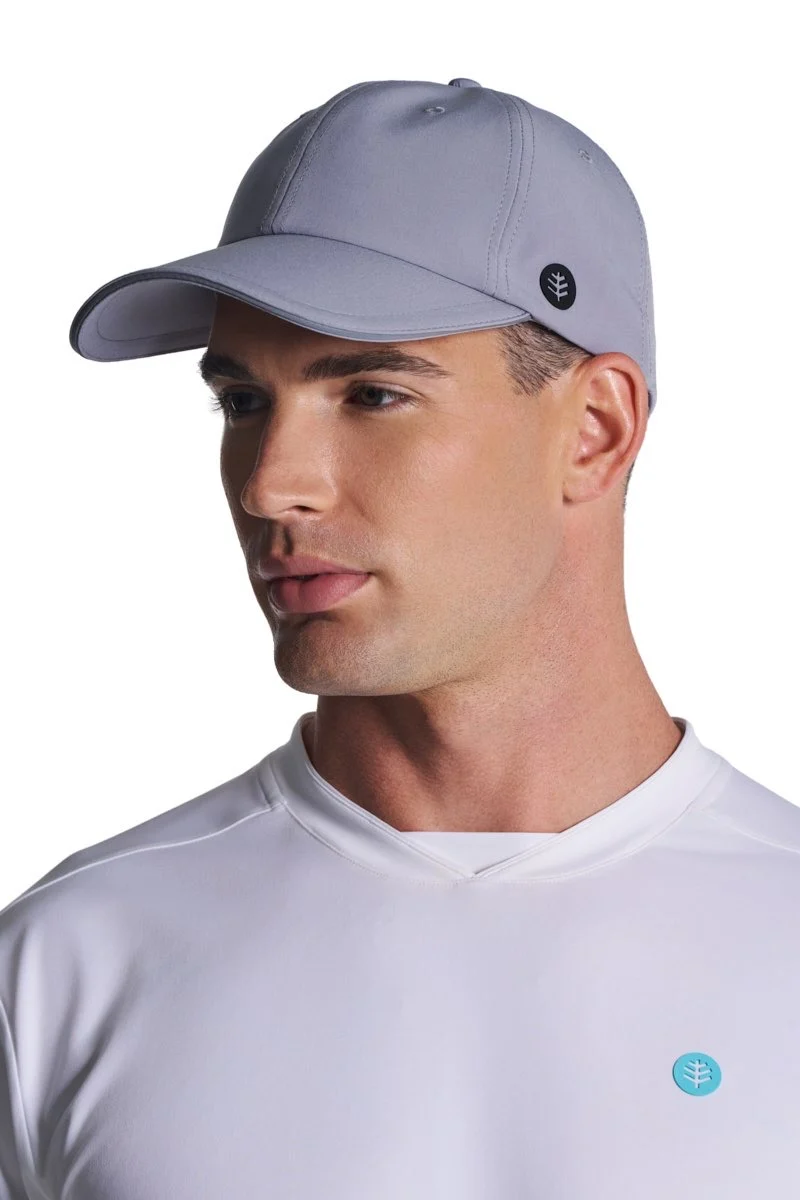
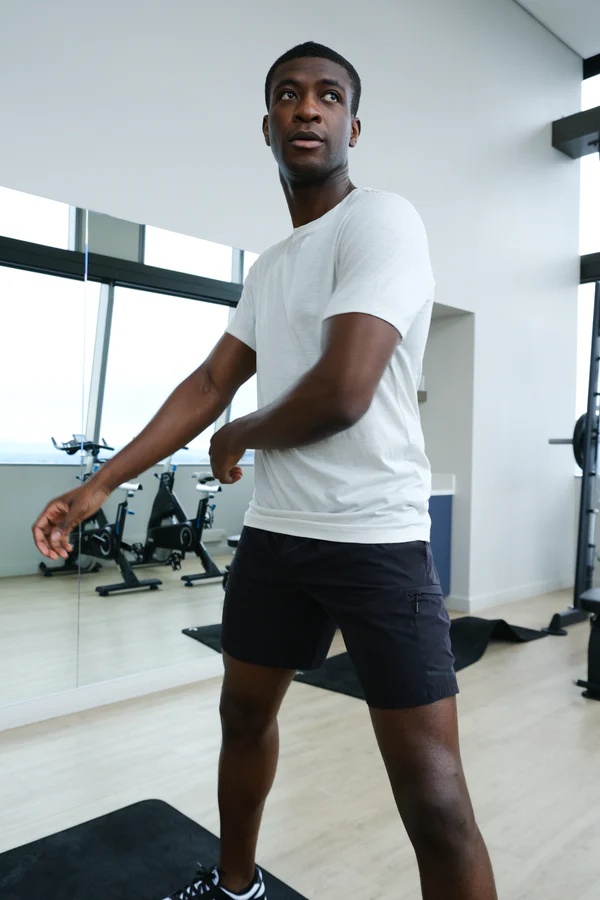
If most natural-fiber workout clothes feel a little too outdoorsy, Nero is the brand to look at first. The men’s collection has the clean lines and familiar shapes of modern gym wear, but uses merino, organic cotton and TENCEL lyocell instead of the usual synthetic fabrics. The Merino Air Tee and lined training shorts are especially convincing.
Best for: Men who want natural-fiber workout clothes with a clean, modern look.
What stands out: The collection feels modern and similar to what you get from major brands.


02
The easiest place to explore 100% merino
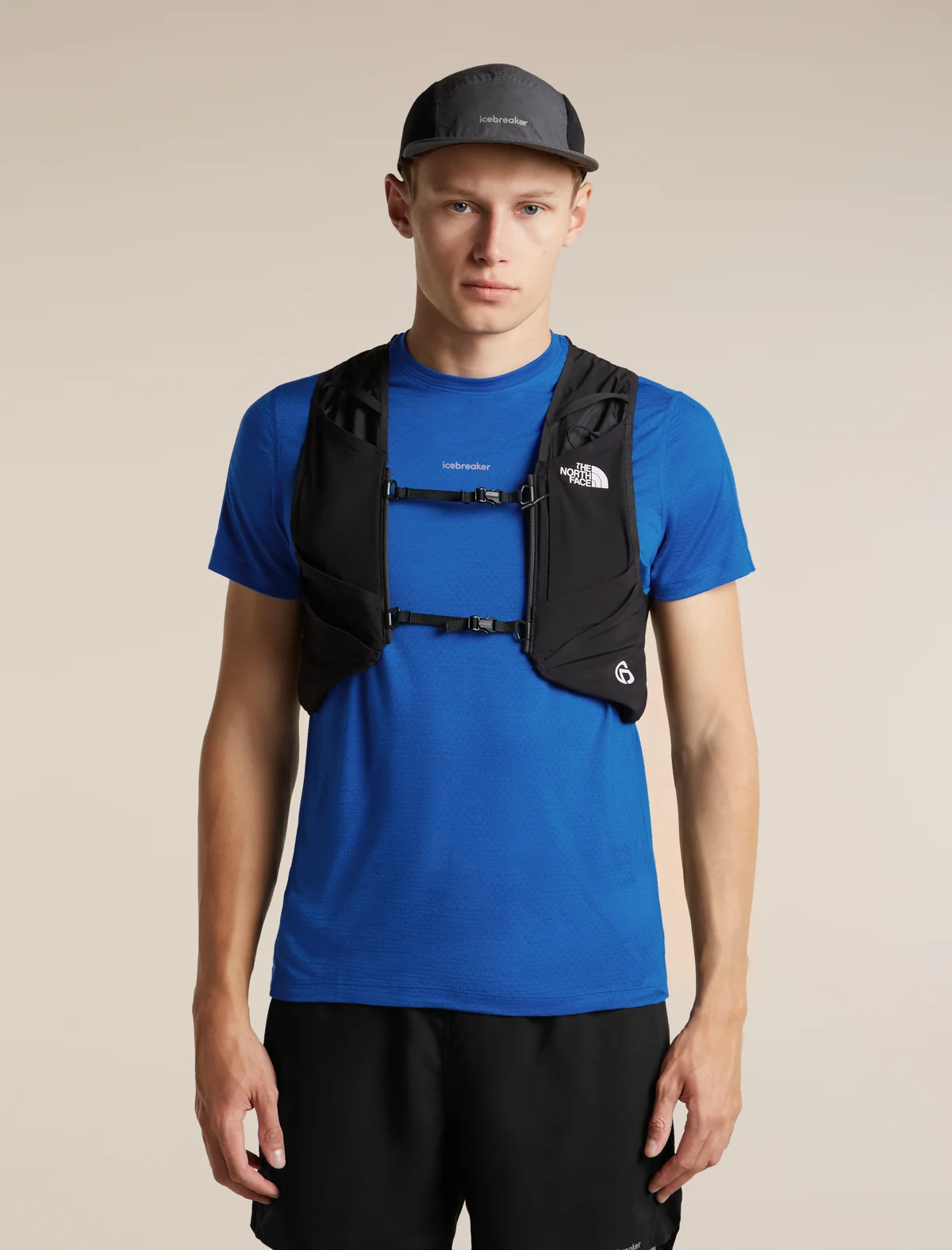
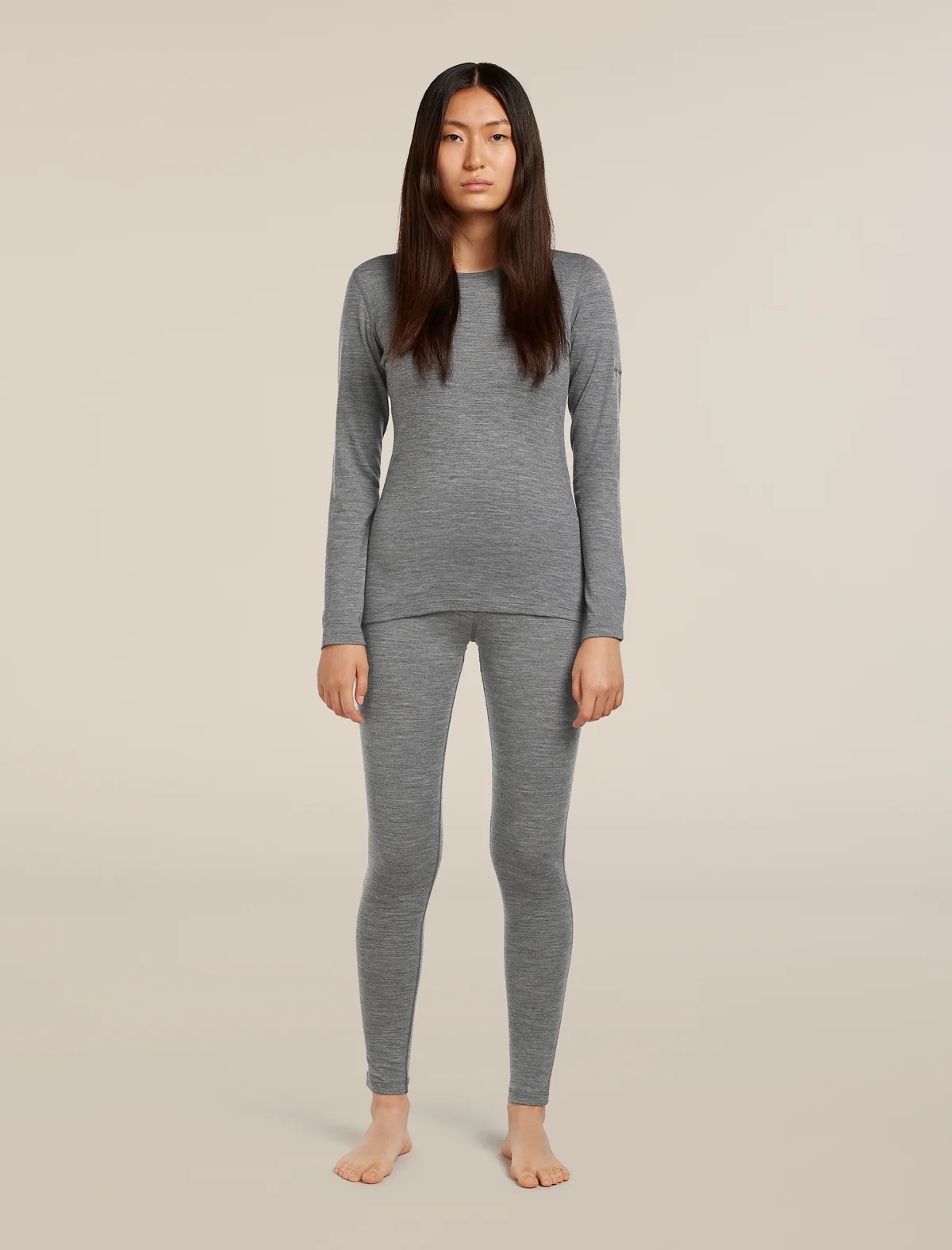
Icebreaker is the easiest recommendation for someone who wants to try merino and have plenty of choice from the start. Its 100% merino range covers lightweight tees, everyday layers and serious cold-weather pieces for men and women. The dedicated all-merino collection makes those pieces easy to find, even though the wider assortment also includes blends.
Best for: Trying merino for the first time or building a wardrobe across more than one season.
What stands out: Few brands offer this much choice in 100% merino, especially across fabric weights.

Relaxed gym clothes in organic cotton and merino
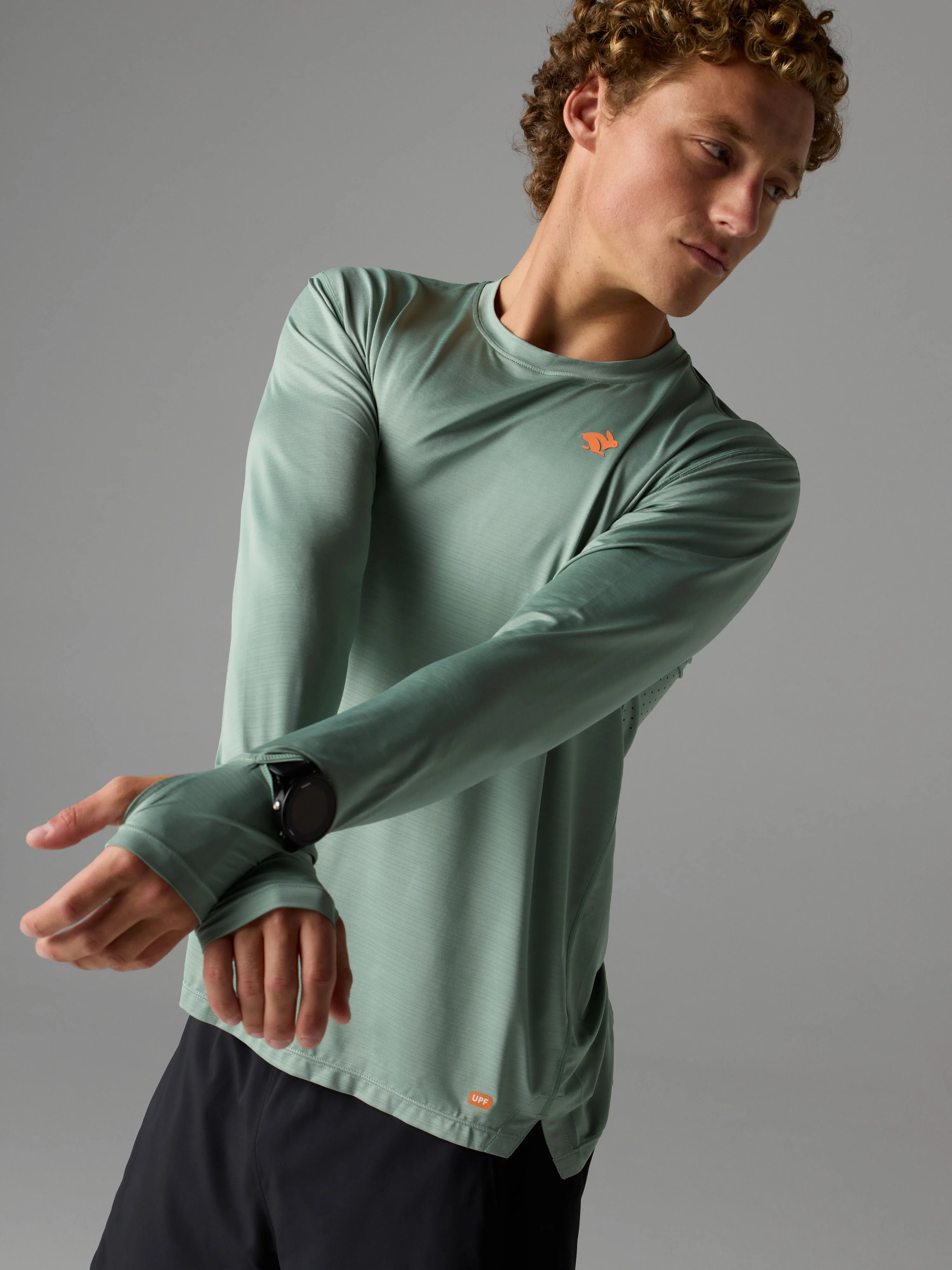
Wayve is worth a look if you prefer gym clothes with a relaxed, oversized fit. Its tees, shorts and sweats use organic cotton and merino, giving them a softer, more casual feel than typical performance gear. The heavier fabrics make more sense for lifting, walking and easy workouts than for hot-weather running.
Best for: Lifting, walking and recovery days, especially if you prefer relaxed fits.
What stands out: Natural fibers meet a younger, gym-focused look that is still rare in this category.
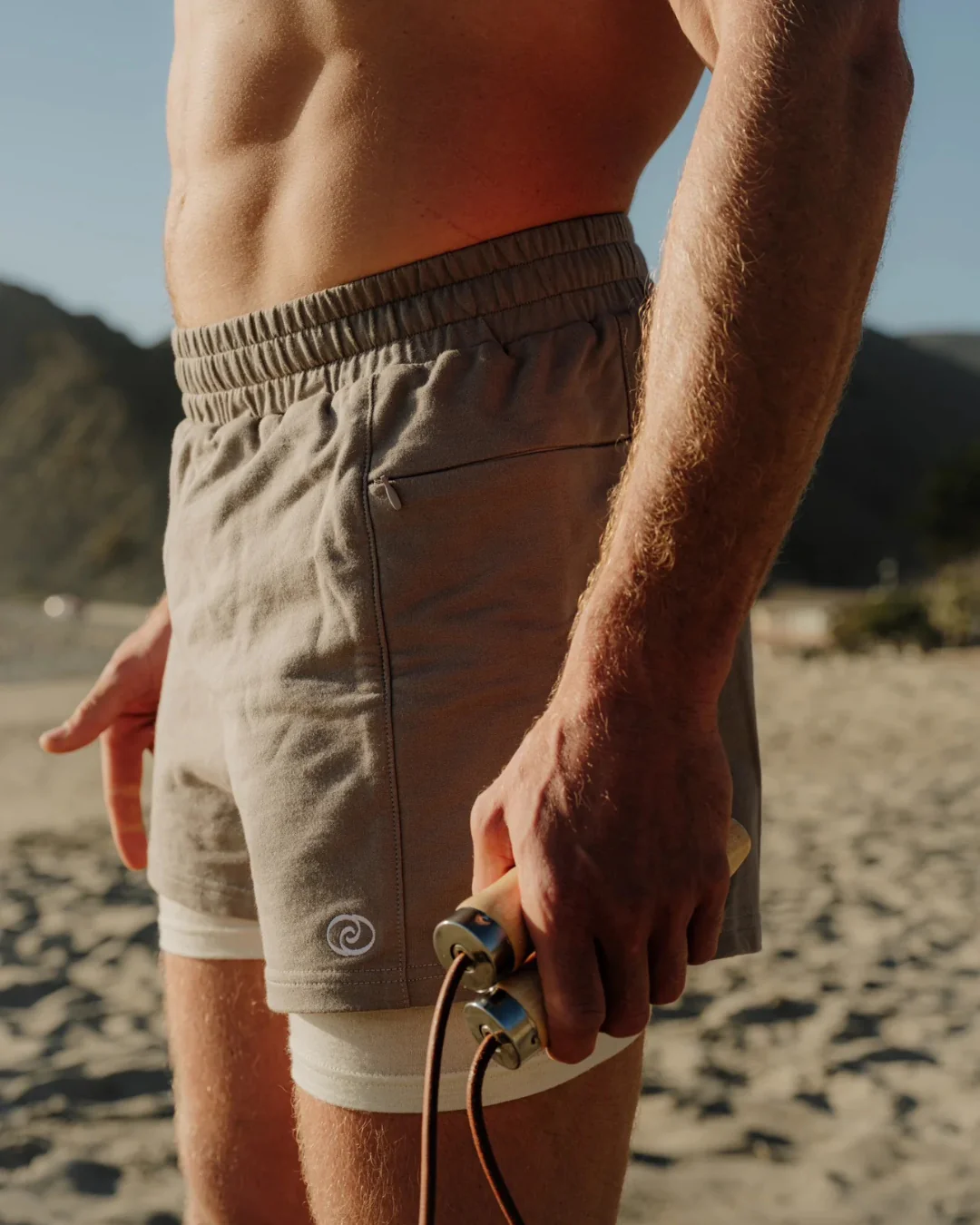


Natural-fiber gym shorts
Ryker is worth knowing for one reason: the shorts. Instead of settling for a basic cotton pair, there are lined and unlined options with merino or TENCEL™ lyocell next to skin, plus two inseam lengths. If replacing synthetic gym shorts is the priority, start here.
Best for: Men whose first priority is finding a convincing replacement for synthetic gym shorts.
What stands out: The choice of liner and inseam makes the shorts feel considered rather than compromised.


Alpaca wool for far more than cold weather
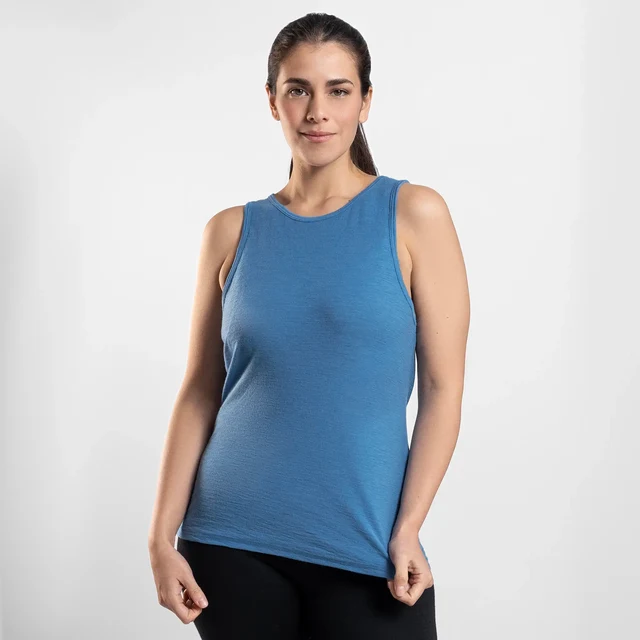
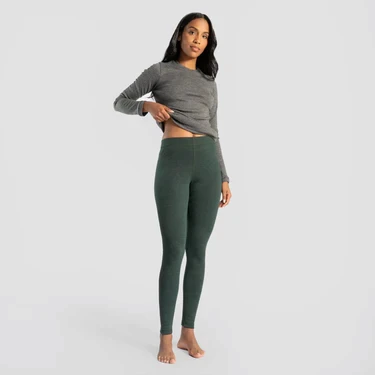
Arms of Andes builds an unusually complete active wardrobe around 100% alpaca wool. Its lightest tanks and tees are designed for warm weather and active days, while leggings, joggers, hoodies and heavier layers extend the collection into travel and colder conditions. With options for men and women across four fabric weights, the brand shows just how much range alpaca can offer beyond the sweaters and winter layers most people expect.
Best for: Runners who want sun protection without settling for generic-looking technical gear
What stands out: Four fabric weights turn 100% alpaca wool into everything from warm-weather tanks to substantial cold-weather layers.


Organic merino basics for the whole family
DILLING is not chasing the look of high-tech sportswear, and that is part of the appeal. The collection is full of simple organic-merino pieces that work for exercise but do not feel out of place the rest of the day. Clear weights, micron counts and processing details also make it easier to understand what you are buying.
Best for: Simple organic-merino basics for adults and children.
What stands out: The unusually clear fabric information makes choosing between pieces much less confusing.


Soft, American-made activewear for slower days
Think of Harvest & Mill as activewear for the less intense parts of an active life. The organic-cotton shorts, joggers and tees are comfortable for walking, travel and an easy workout, then look completely natural away from the gym.
Best for: Walking, travel, light workouts and everyday wear.
What stands out: Soft, unfussy pieces made through a fully domestic organic-cotton supply chain.


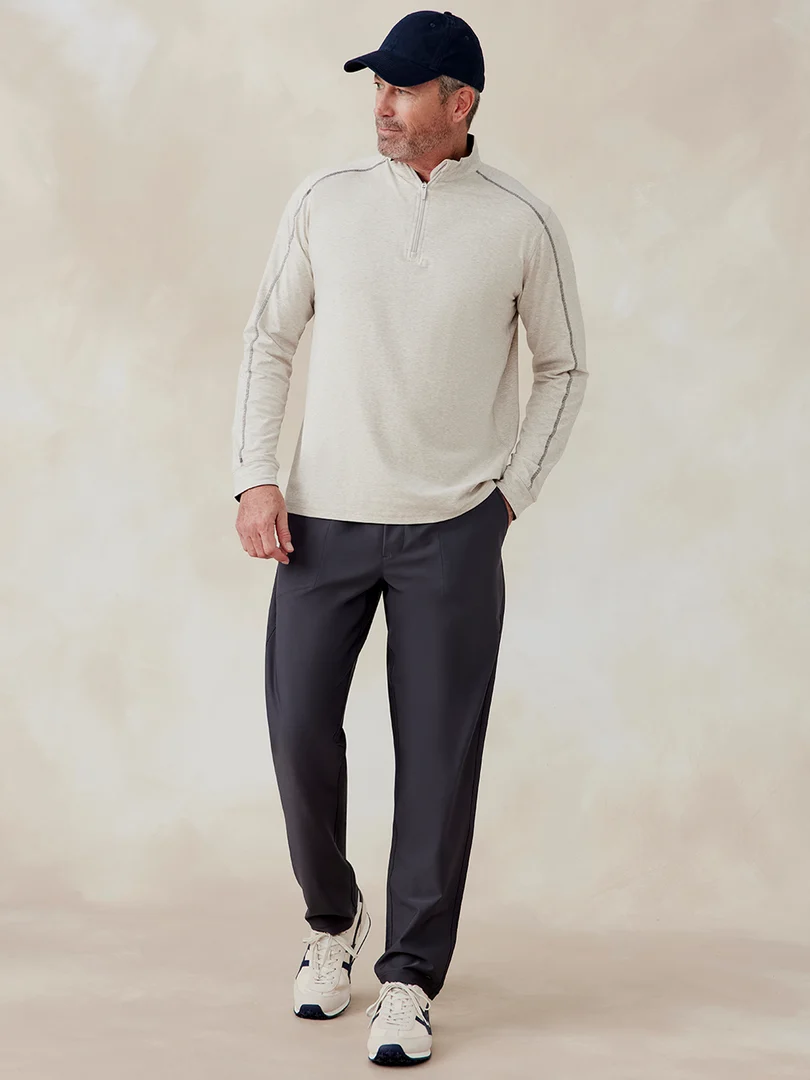
Plastic-free thinking that goes beyond the fabric
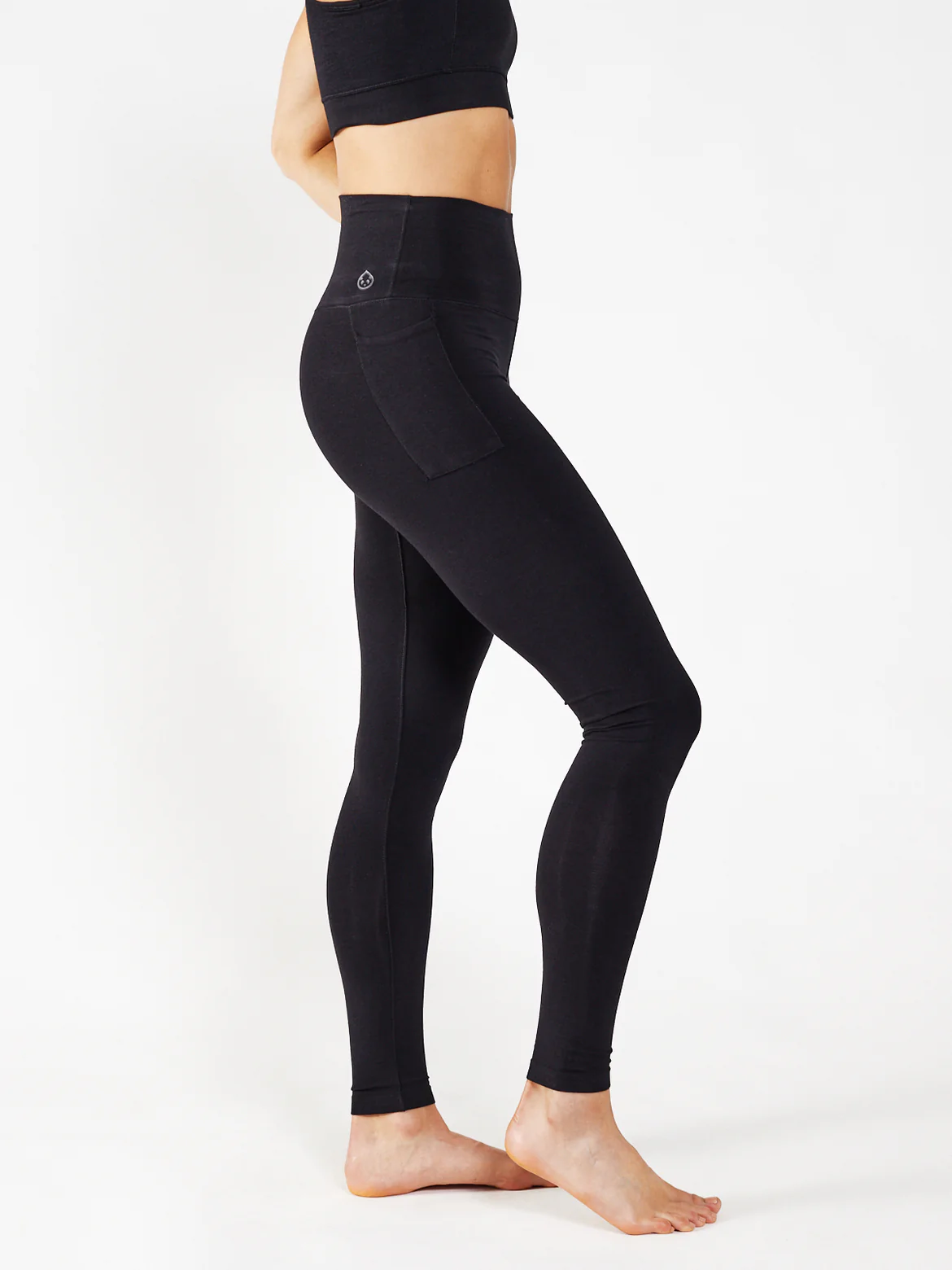
If avoiding plastic means more than the main fabric, Community Clothing is the standout. The Organic Athletic collection uses organic cotton for the fabric and thread, natural rubber for elastic and printed care information instead of a synthetic label. The styling is simple, but the construction is unusually thorough.
Best for: People who want plastic-free construction to extend beyond the main fabric.
What stands out: The smaller components receive the same attention as the fabric, which is exceptionally rare.

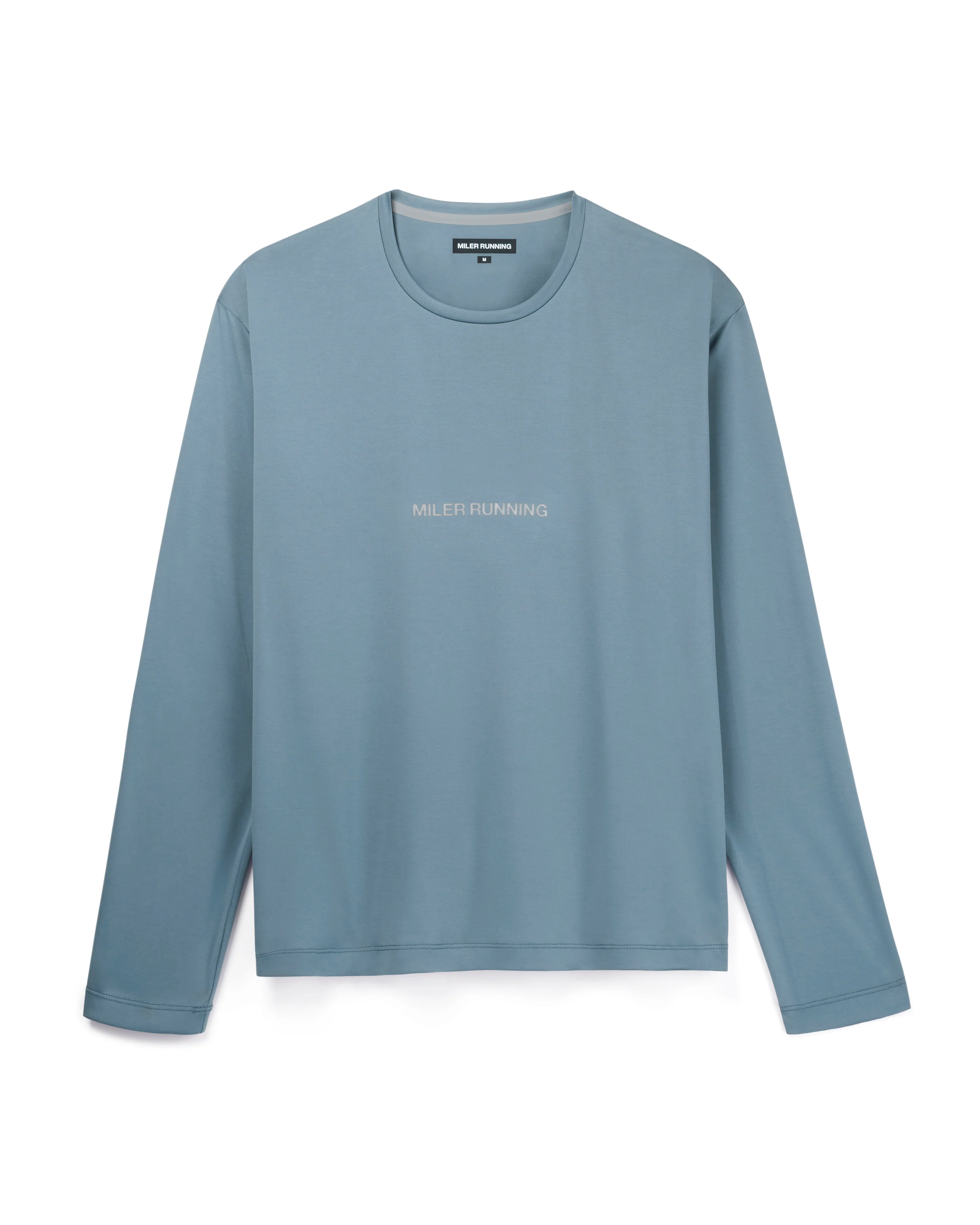
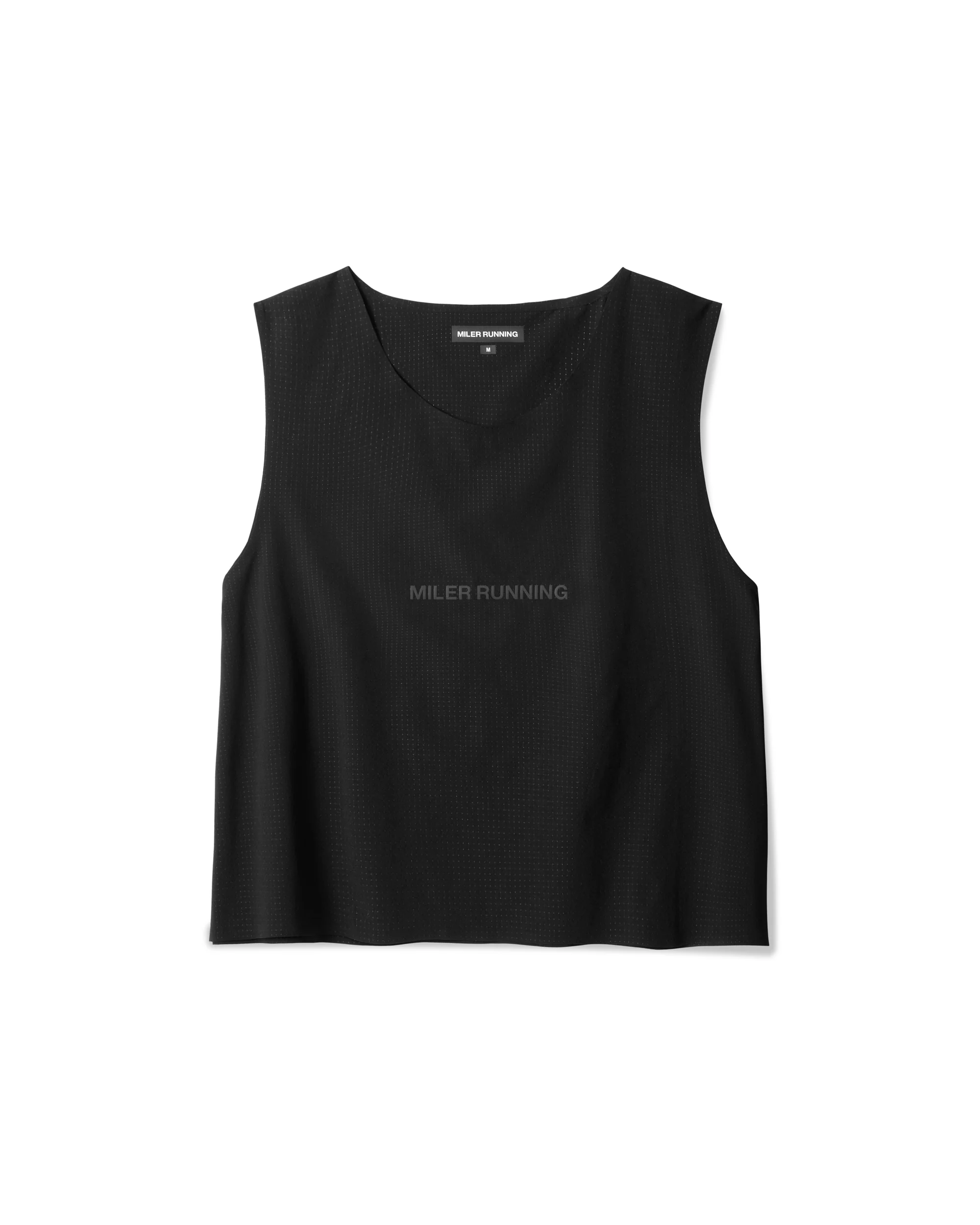
09
A small merino wardrobe, stripped to the essentials
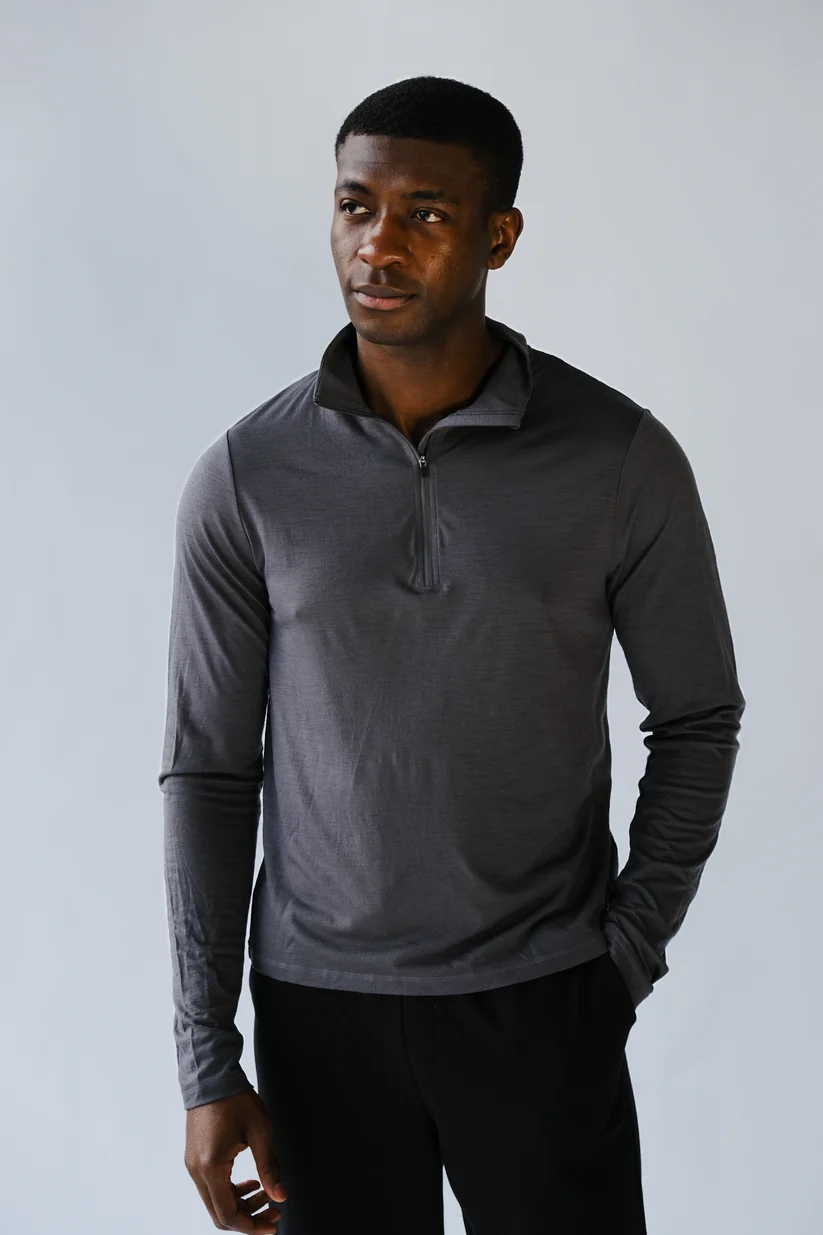
Aiua is a good answer for anyone who gets overwhelmed by endless options. The collection comes down to three useful shapes, a tank, a tee and a quarter-zip, all in the same lightweight 150 gsm merino for men and women. Pick the silhouette you need and the fabric decision is already made.
Best for: Those who want a a small, curated merino wardrobe without endless choices.
What stands out: The same lightweight merino runs through every core style, keeping the collection simple and easy to understand.
What to know about natural-fiber activewear
What to know about natural-fiber activewear.
Polyester and nylon may dominate activewear, but they are not the only materials capable of performing through a workout. Natural fibers such as merino wool, cotton and lyocell can offer breathability, moisture management, and comfort, and in some areas they may even perform better.
Why are more people choosing natural fibers for activewear?
For some people, it is as simple as not wanting to work out in clothing made primarily from plastic. Polyester and nylon are derived from fossil fuels, do not readily biodegrade and can release microfibers as they are worn and washed. That has led more people to look for alternatives made from wool, cotton and other natural fibers.
Additionally, early research suggests that sweat can draw certain chemical additives out of microplastics and make them available for absorption through the skin. The research is still developing, but it has added to the interest in activewear made from natural fibers like cotton and merino wool.
Why are people wearing merino wool to work out?
Merino wool does several things that are useful when you start sweating. It helps regulate temperature, manages moisture and holds onto less odor than polyester, so a shirt can often be worn longer before it smells like a workout shirt. Fine merino also feels much softer than the heavy or scratchy wool many people picture.
Some brands blend merino with TENCEL (lyocell), a smooth fiber made from wood pulp. TENCEL can give the fabric a lighter, cooler feel while helping it manage moisture. Together, the two fibers can create activewear that feels softer and less traditionally “wool-like,” especially for warm-weather workouts.
What do numbers like 150, 200 and 260 gsm mean on merino clothing?
GSM tells you how much the fabric weighs per square meter. The easiest way to read it is that a lower number usually means a lighter fabric. Around 150 gsm is lightweight and better suited to warm weather or active workouts. Around 200 gsm gives you a little more substance and works across a wider range of temperatures. Once you get to 260 gsm, you are generally looking at a warmer layer for colder conditions. It is a useful guide, but the fit, knit and construction also affect how a garment feels.
If natural fibers work, why do so many brands use synthetic fibers?
Cost and scale are a large part of the answer. Polyester is inexpensive, widely available and easy to produce consistently across enormous product lines. It is also strong, lightweight, quick-drying and easy to engineer into fabrics with stretch, compression and moisture-wicking performance. Those qualities have made it the default material for major athletic brands.
Synthetics can also make natural-fiber clothing more durable or better suited to a specific activity. Nylon may strengthen merino, while elastane helps leggings and fitted pieces stretch and recover. A blend is not automatically worse. It depends on what the garment needs to do and whether avoiding plastic fibers is the priority.
Can natural-fiber activewear handle intense workouts?
Yes, but the garment has to be designed for it. Lightweight merino and merino-TENCEL fabrics can work well for running, cycling, training and other high-sweat activities. Merino is particularly good at managing temperature and odor, while TENCEL can add softness and help the fabric feel cooler against the skin.
The main difference is that natural-fiber clothing may not dry as quickly or feel as slick and compressive as conventional synthetic activewear. For many workouts, that trade-off will not matter. For others, especially activities that require high stretch, compression or very fast drying, a natural-and-synthetic blend may still perform better
KEEP EXPLORING


The Better Kit
We help you discover performance apparel beyond the usual brands.